
Case Studies: Case Study #2 – Leslie Herron
Bridging the Gap: How One Pharmacy Implemented Test and Treat to Meet Patient Needs
Practitioner: Leslie Herron, RPh
Setting: Independent community pharmacy, Iowa
Care Model: Pharmacist-provided test and treat services
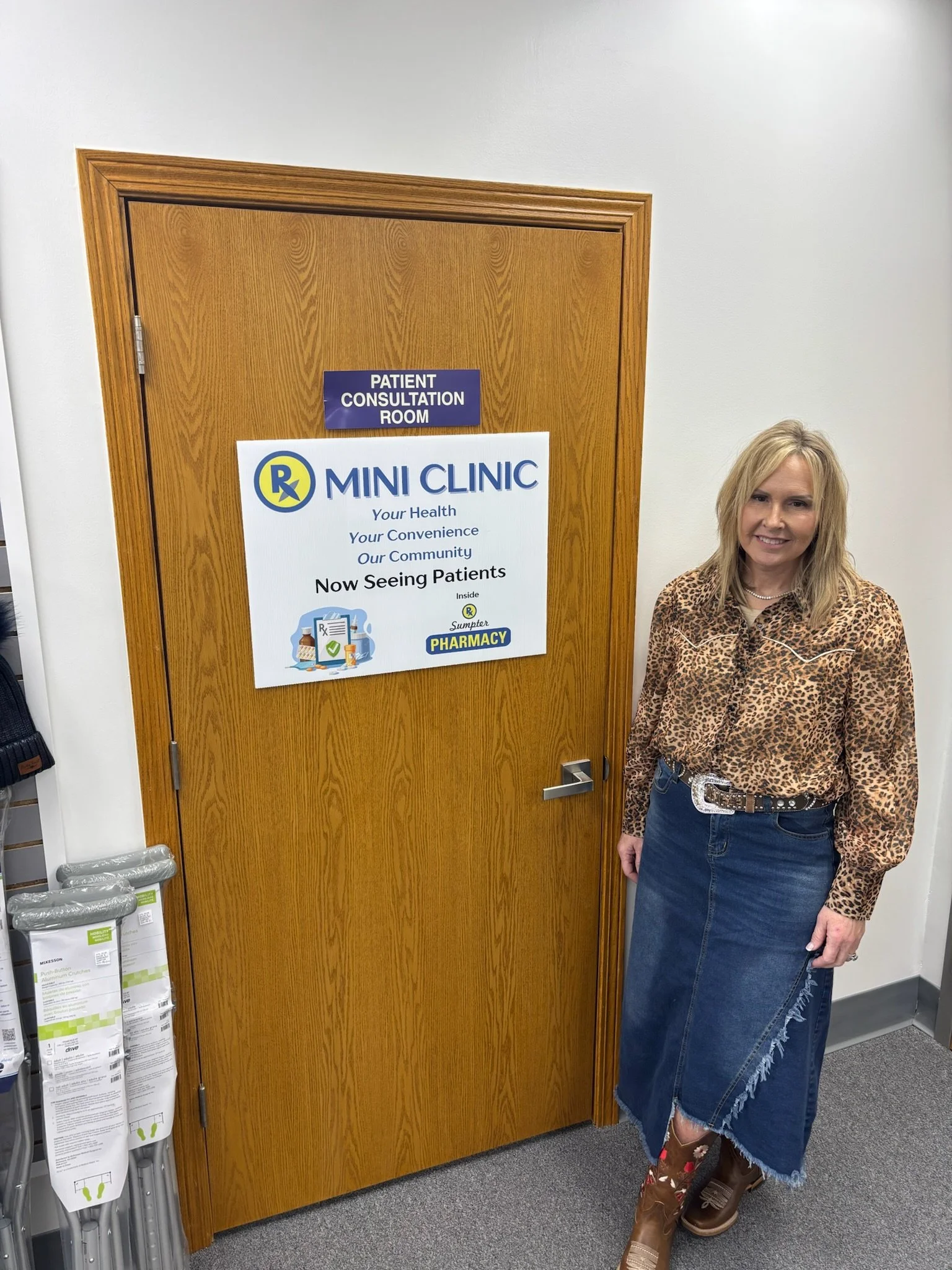
Why This Case Matters
“I’m very proud to be a fourth-generation pharmacist…It’s what I’ve always known, and it’s what I always thought I wanted to do. We’re counting on standard of care to be a big part of our viability…while it marries the true heart of what we’re here to do, and that’s care for our community.”
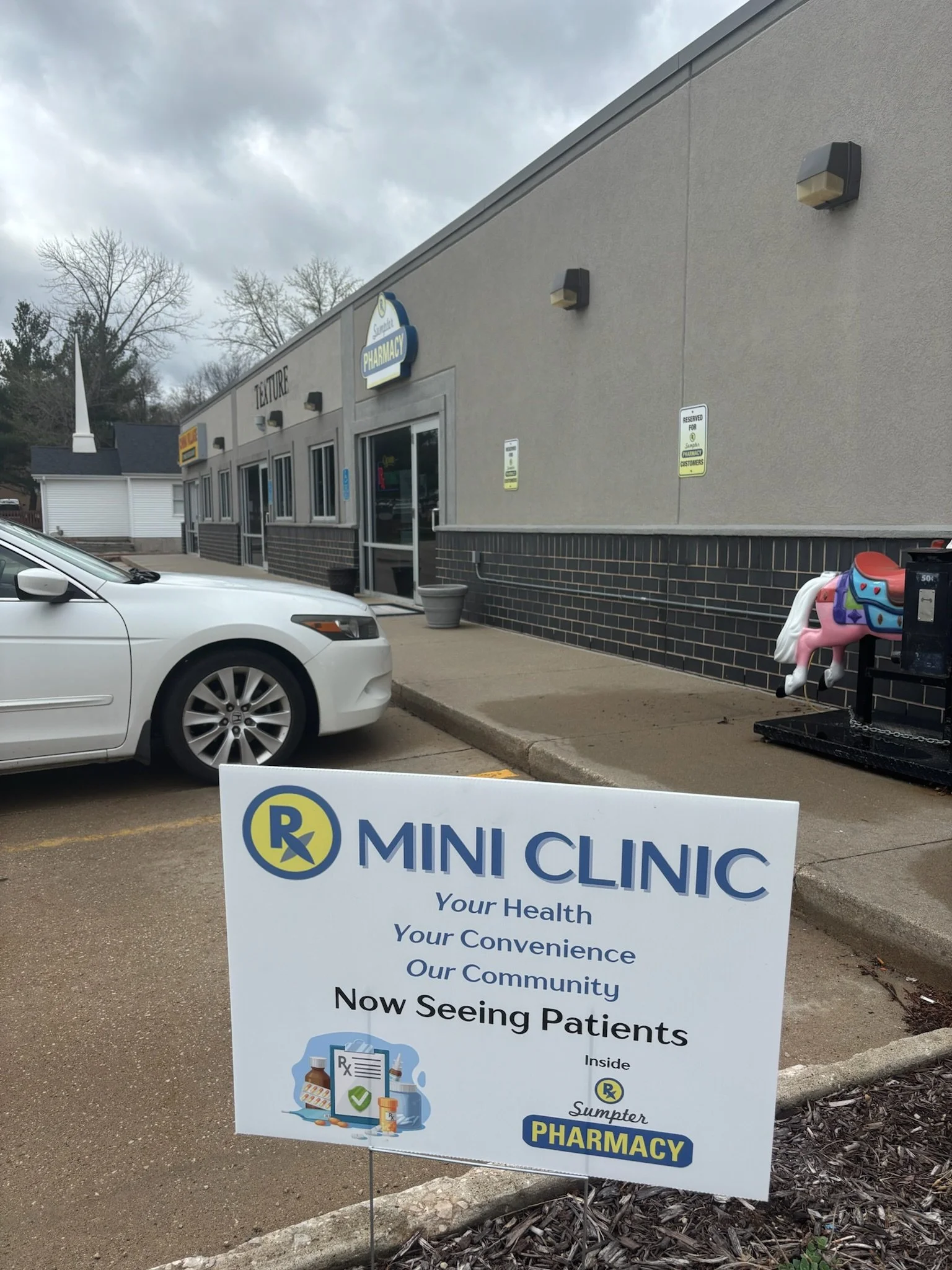
At Sumpter Pharmacy, implementing Iowa’s standard of care regulatory framework isn’t theoretical—it’s a practical, evolving model for delivering accessible, patient-centered care. For owner and pharmacist Leslie Herron, this work is deeply personal and bridges gaps in her community. Like many independent community pharmacies, Sumpter faced mounting reimbursement pressure and shrinking margins. Leslie recognized early that sustainability would require a shift, and standard of care provides that turning point.
Beginning to Take the First Steps
“I was the barrier. [Feeling] like there was so much work to do to get started…it does seem daunting. Don’t feel like you have to create the wheel.”
Many pharmacists may feel that everything has to be perfect before they can begin to implement expanded services under standard of care. For Leslie, she felt like there was so much work to do before she could get started. Once she realized she was acting as a barrier to implementation, she reached out to other pharmacists leading the implementation of expanded services. This collaboration supported her as she adapted resources and developed policies and procedures.
Launching Test & Treat Services
“We started small with just a finite list of conditions that we as pharmacists…felt comfortable treating and seeing patients for.”
Sumpter Pharmacy began implementing new services under the standard of care with a targeted, scalable approach—starting small and expanding over time. This deliberate strategy minimized risk while building team confidence.
Initial services included:
Flu and strep testing and treatment
Ear infections, conjunctivitis, UTIs
Skin conditions and minor infections
Cold sores and other non-emergency conditions
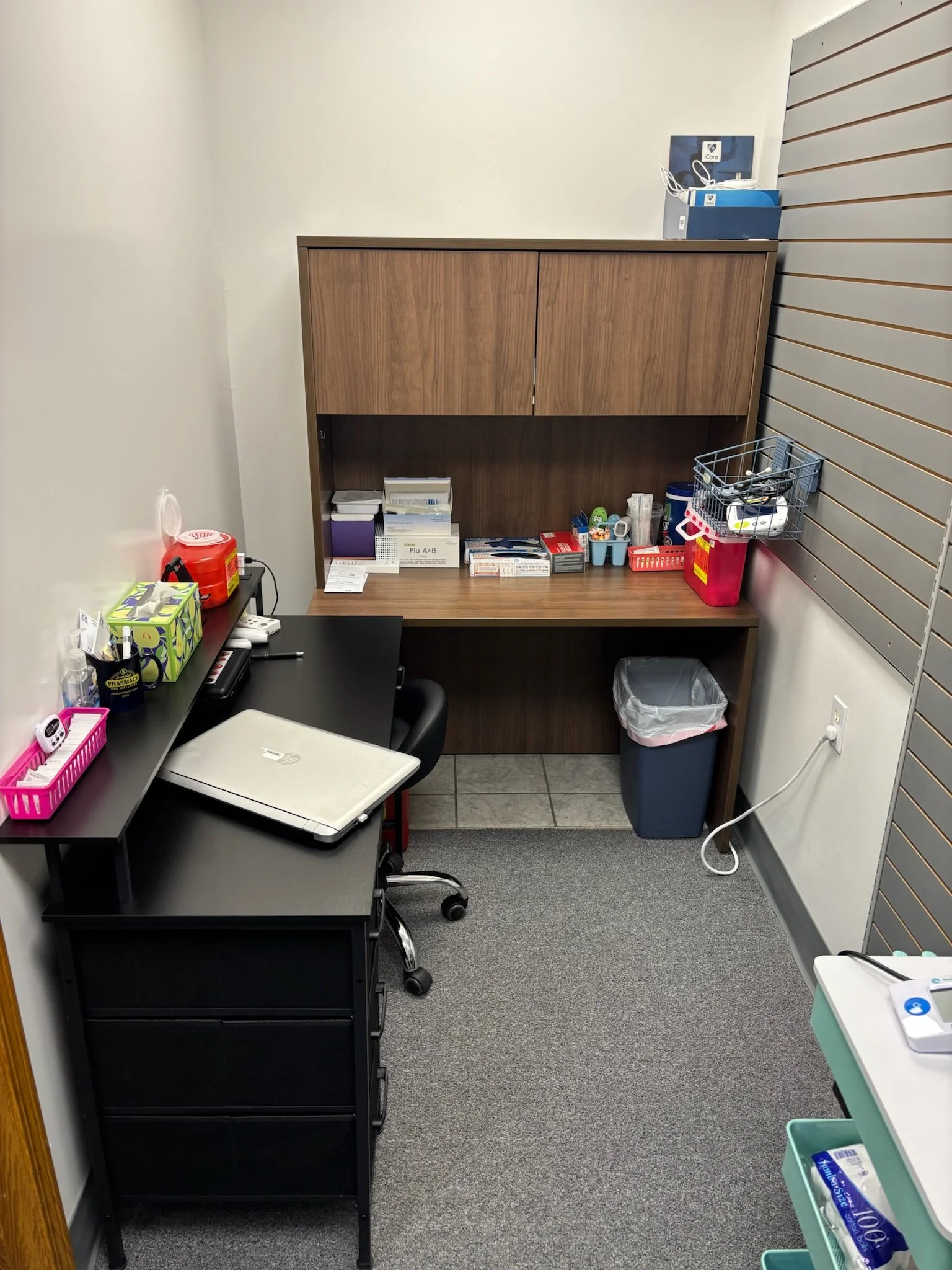
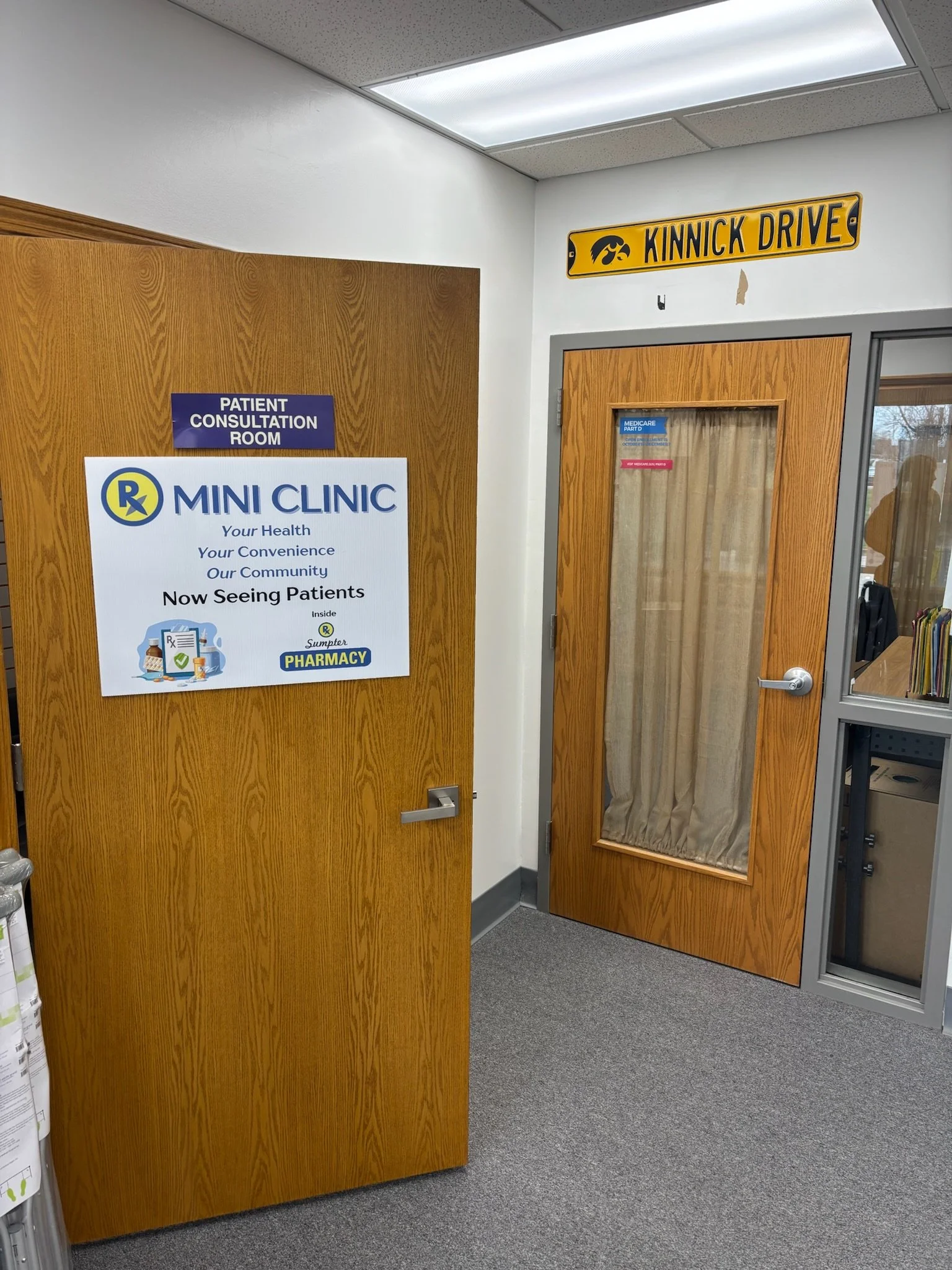
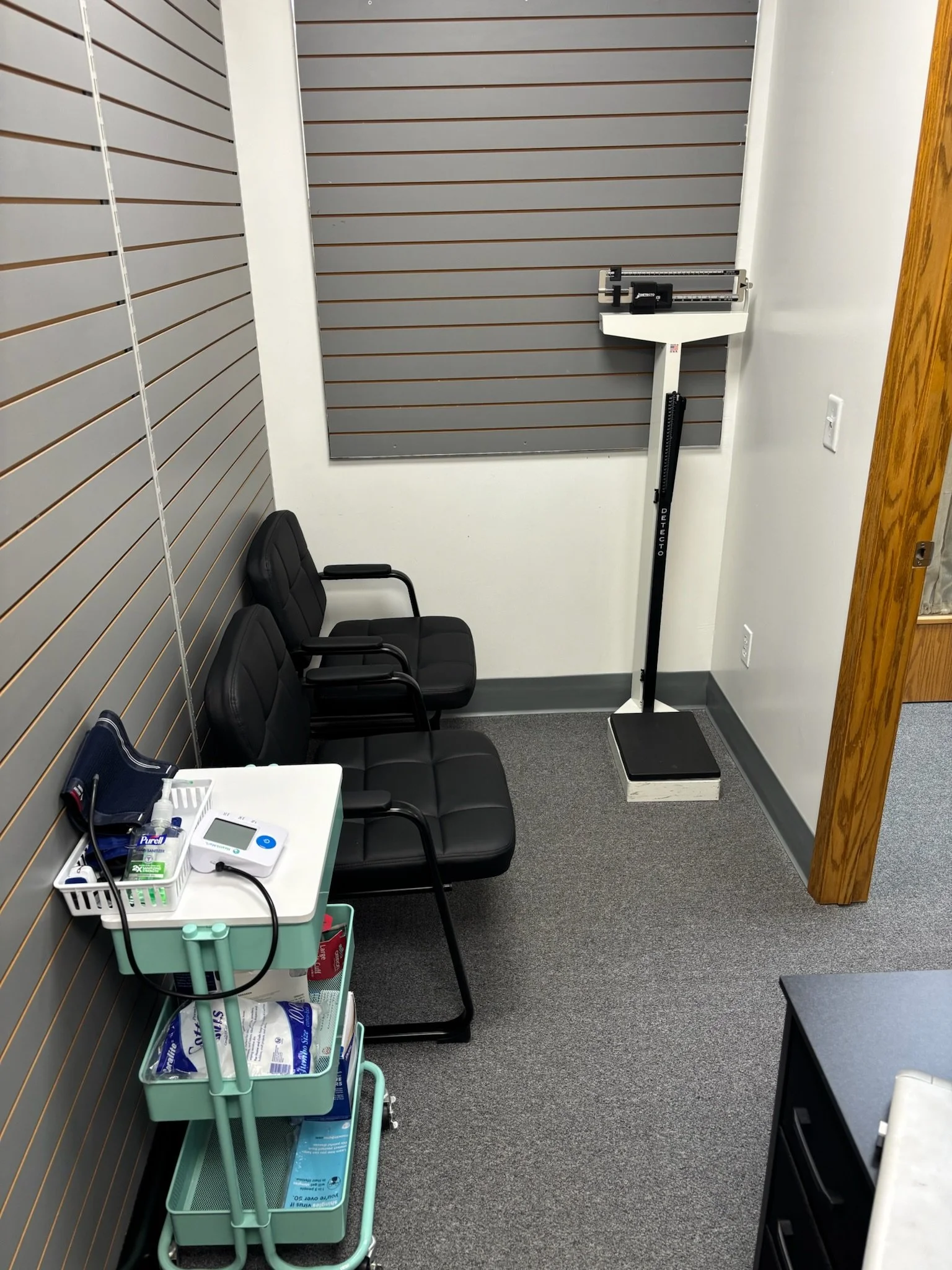
One of the biggest surprises? Minimal workflow disruption while providing quality patient care. Sumpter leverages the entire team and minimizes unnecessary steps to save staff and patient time.
Key workflow strategies:
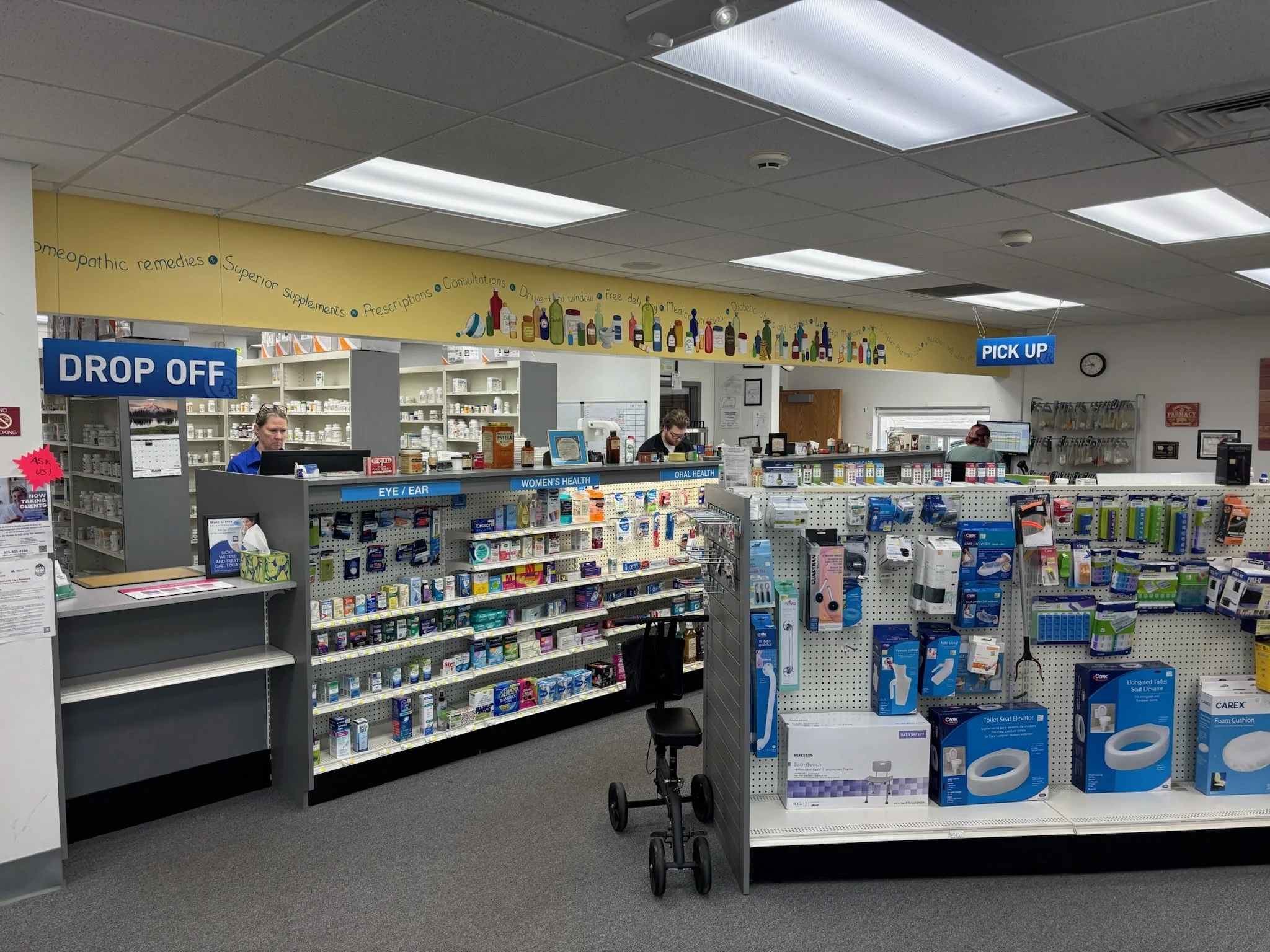
Patients enter through standard drop-off workflow
Technicians room patients and gather initial info
Pharmacists focus on high-value clinical time
Final Takeaway
Sumpter Pharmacy’s journey shows that standard of care is not just a regulatory change—it’s a practice transformation opportunity that bridges gaps in care, supports pharmacy viability, and improves staff satisfaction. For Iowa pharmacies, the question is no longer if to implement standard of care—but how to start.

Meeting a Real Access Gap
“People can’t get a primary care physician. [The] first visit might be [in] nine months. Urgent cares aren’t necessarily open all the hours we are, and they’re typically full of waiting rooms with other sick people.”
In Adel and surrounding communities, access challenges are real—even in growing suburban areas. Sumpter Pharmacy fills that gap with walk-in, same-day care. The results: faster care, improved patient convenience, and the opportunity to potentially reduce unnecessary ER visits.
A Cash-Based Model That Works
“We are cash only. People pay for convenience; people will pay to not miss work. It becomes very affordable very quickly.”
Rather than navigating complex medical billing, Sumpter Pharmacy chose a cash-pay model focused on value and convenience. This supports the pharmacy’s viability while still being a resource for the community.
Patients quickly see the tradeoff:
Same-day care vs. waiting days for an appointment
Avoiding missed work or school
Immediate treatment
Workflow Integration: Minimal Disruption Through Team-Based Roles
“My MO is to…standardize everything from a workflow standpoint and [not] have offline processes…We just rolled it right into standard of care visits.”
Having a Meaningful Impact
Shortly after implementing test and treat services, Leslie experienced an impactful patient encounter that reinforced the value of accessible care.
A young woman came into the pharmacy looking for phenazopyridine. Leslie learned the woman likely had a UTI and shared that they recently launched test and treat services at the pharmacy.
The woman shared that she experiences chronic UTIs, for which she had previously been hospitalized due to sepsis. She was concerned that waiting to get to her primary care provider would allow the infection to worsen.
After assessing the woman, Leslie provided same-day treatment.
The following Monday, the woman called Sumpter Pharmacy to express her gratitude for their services, as the timely care may have helped her avoid hospitalization.
Technicians play a critical role in Sumpter’s success. Their roles are essential to the workflow, and at Sumpter, they have the opportunity to grow by learning more skills. By engaging technicians in services beyond filling medications, efficiency and satisfaction are improved.
Technician responsibilities include:
Patient intake and rooming
Point-of-care testing
Supporting clinical workflow
Staff at Sumpter Pharmacy are utilizing technology and existing physical space to integrate test and treat services. By walling off a small room for patient visits, Leslie has created a private space for patients to share their concerns without spending a fortune to remodel. When it comes to technology, Leslie chose platforms that meet the pharmacy’s needs for documentation, e-prescribing, and dispensing. Between her documentation platform and point-of-sale system, she can generate reports on some patient visit information and revenue data.
Leveraging Existing Infrastructure
Marketing: Every Encounter Counts
To monitor success and quality of care, Leslie tracks several measures, and staff follow up with patients on the outcome of their treatment. Additionally, the documentation platform utilized at Sumpter Pharmacy can support peer reviews of patient visits as the service grows.
Sumpter tracks:
Number of visits
Revenue per visit
Reason for visit
Patient outcomes
“It’s word of mouth and social media. I think those are your two most effective ways of marketing a lot of things anymore.”
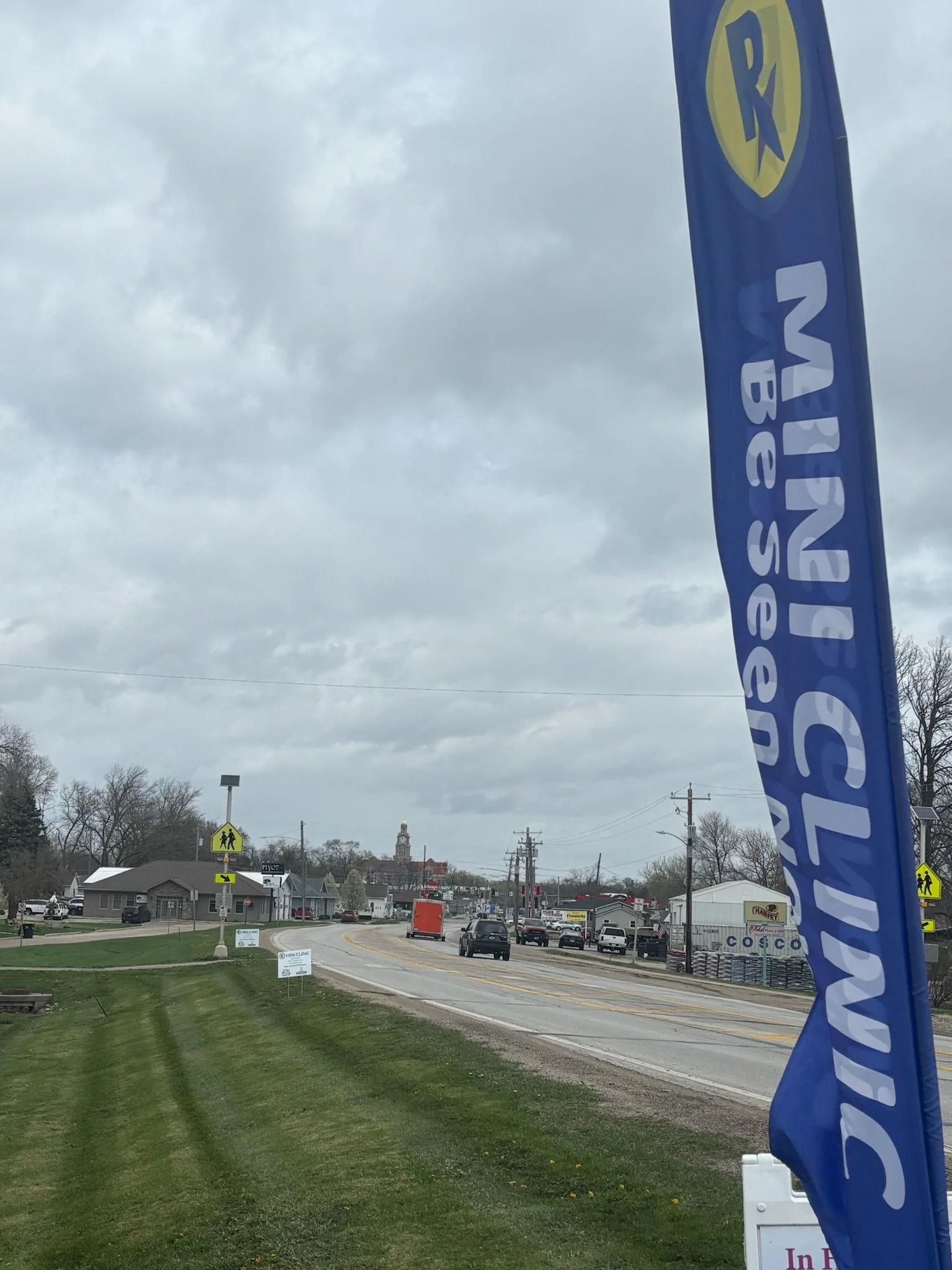
Marketing is essential to any service. At Sumpter, they utilize avenues that work for them and are targeted toward their community. Still, awareness remains a major barrier, as the public continues to be unaware of all the expanded services pharmacies offer.
Instead of large advertising campaigns, Sumpter relies on:
Patient conversations
Bag stuffers
Social media
Word-of-mouth
Targeting patients with urgent care prescriptions
Local magazine ads
Community sponsorship opportunities
Measuring Success & Ensuring Quality
“I look at number of visits, dollars, reason for visits, and the outcome.”
Sumpter Pharmacy highlights a broader opportunity for pharmacists to expand their practice through the implementation of services that bridge gaps in their communities. Sumpter demonstrates that implementing Iowa’s standard of care regulatory framework is:
Actionable without major infrastructure changes
Scalable—start small and expand over time
Viable by supporting revenue streams
Clinically impactful by addressing access gaps